
Multicultural Women’s Leadership Center of Excellence
Center Overview
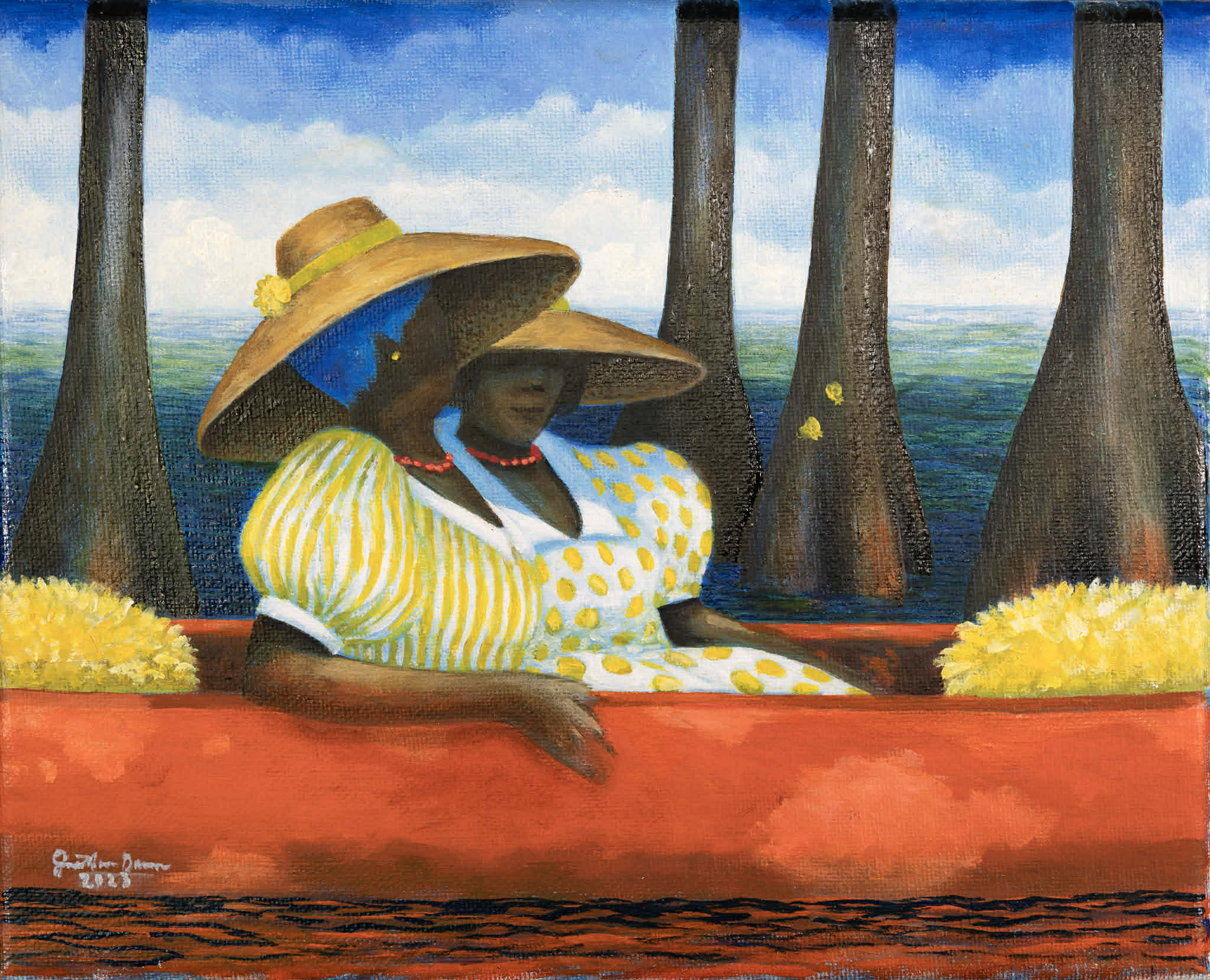

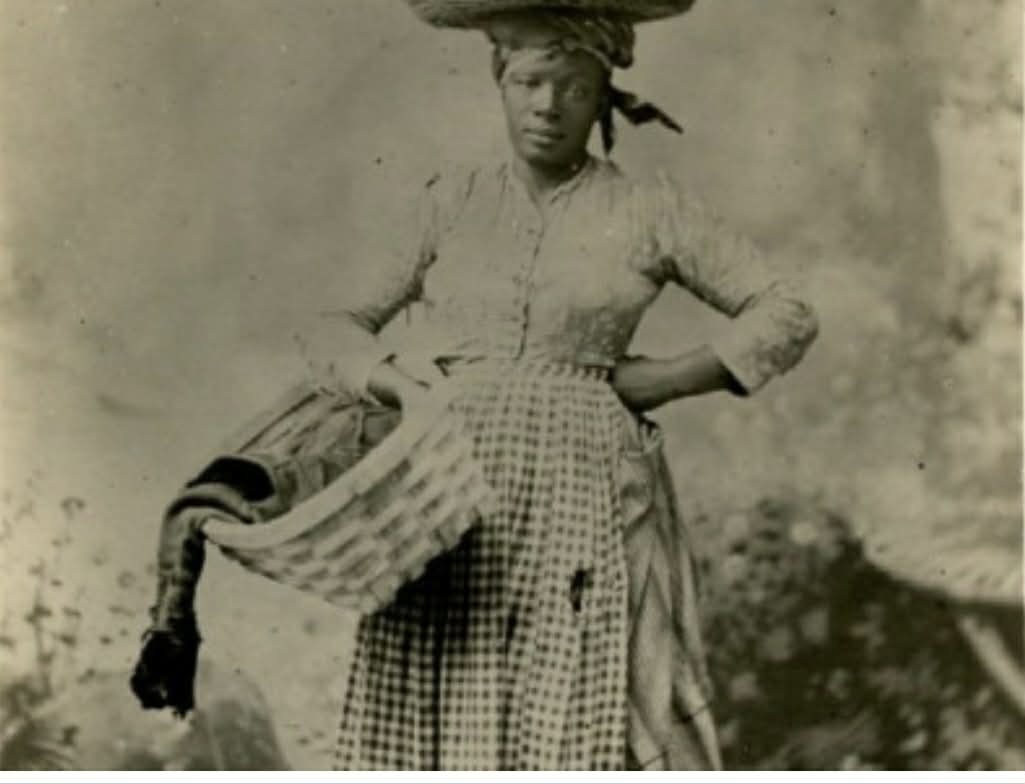
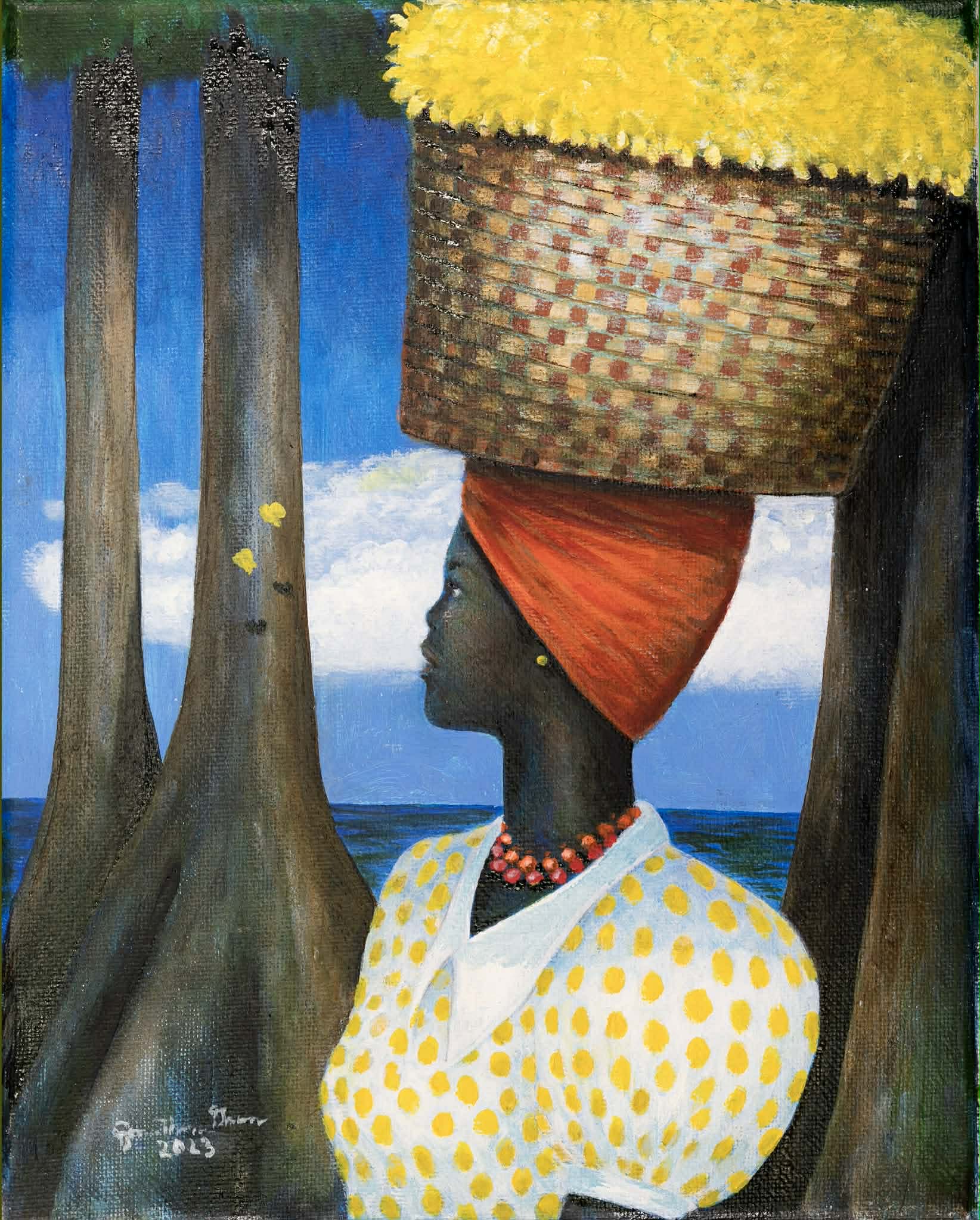
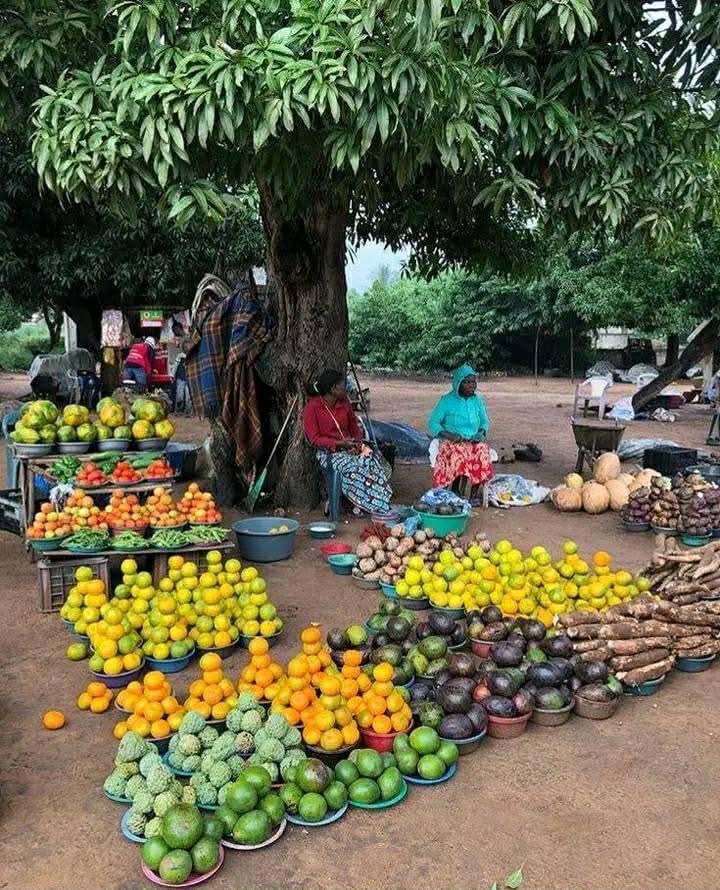
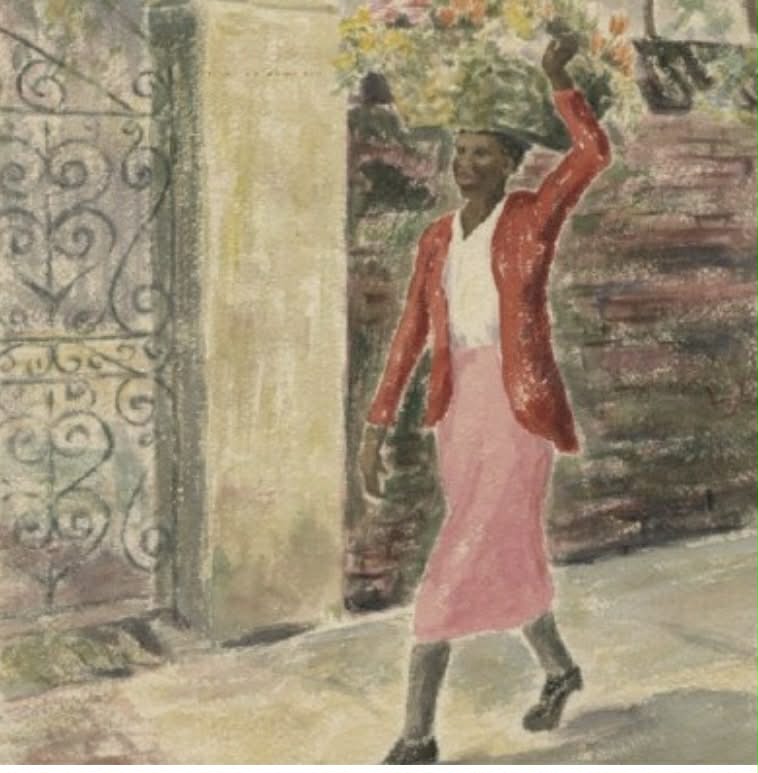
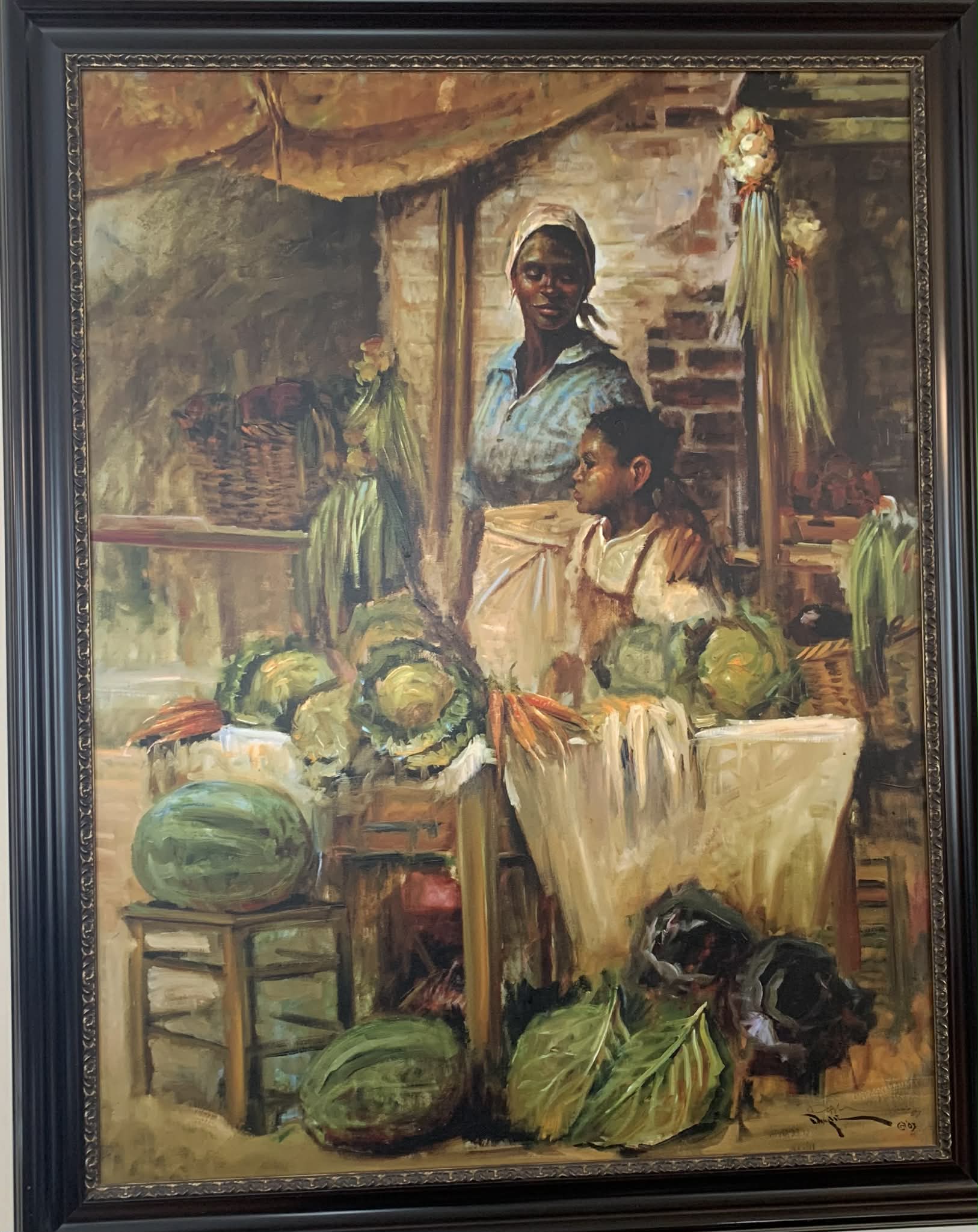
The Multicultural Women’s Leadership Center of Excellence is an academic and action-based unit dedicated to advancing women’s leadership across economic life, health and wellness, family stability, cultural production, and community self-sufficiency in multicultural contexts. The Center is grounded in the long global history of market women whose labor, ingenuity, and leadership sustained households, stabilized economies, preserved culture, and ensured community survival across Africa and the global diaspora.
Historically, market women functioned as entrepreneurs, financiers, health stewards, agricultural organizers, cultural transmitters, and moral authorities within their societies. They managed trade networks, controlled pricing and distribution of goods, generated independent income, financed families and community needs, stewarded food systems through agriculture and trade, and passed down cultural knowledge through art, ritual, storytelling, and daily practice. Their leadership was holistic, integrating economic independence, health and wellness, spirituality, creativity, and self-sufficiency as inseparable responsibilities.
The Center draws directly from these traditions to prepare contemporary women leaders who embody the same integrated leadership attributes. Entrepreneurship is approached through the legacy of market women as builders of informal and cooperative economies. Health and wellness are treated as communal responsibilities rooted in women’s historic roles as healers and caregivers. Spirituality is understood as moral grounding, ethical accountability, and inner discipline that sustained women through leadership under constraint. Urban agriculture and food self-sufficiency reflect women’s historic stewardship of land, markets, and nourishment. Job skills and financial wellness emerge from women’s long-standing management of labor, trade, savings, and resource allocation. Art, creativity, and cultural production are recognized as leadership tools through which women preserved identity, memory, and resilience, while also producing tangible goods and cultural products that were sold, traded, and circulated within local, regional, and transnational markets. Self-sufficiency and self-confidence are cultivated as necessary conditions for women’s authority, dignity, and sustained leadership.
Through rigorous academic study, applied leadership practice, and fully online instruction, the Center translates these historic models of women’s leadership into contemporary frameworks that produce measurable outcomes for individuals, families, and communities. The Multicultural Women’s Leadership Center of Excellence positions women not as emerging leaders, but as inheritors and modern practitioners of a global leadership tradition that has always existed.
Foundational Orientation
- Women-centered servant leadership understands leadership as responsibility for life, livelihood, and legacy.
- Afrocentric and multicultural grounding emphasizes interconnectedness, reciprocity, creativity, and collective responsibility.
- Embodied and applied learning prioritizes self-sufficiency, dignity, and demonstrable outcomes.
- AI proficiency is integrated throughout all degree programs as a core leadership competency, with students developing practical skills in AI-supported research, planning, program design, productivity, evaluation, and decision-making as part of required coursework.
What the Center Does
The Center provides academic preparation in market women leadership and entrepreneurship, health and wellness leadership, financial wellness and asset building, job skills and workforce readiness, urban agriculture and food self-sufficiency, art and cultural production, and spirituality, identity, and leadership formation.
Featured Wellness & Leadership Resources
Degree Programs
Master of Arts in Pilates, Movement, and Holistic Wellness Ministry
Equips practitioners with advanced preparation to lead Pilates-based movement, breath-centered practices, culturally responsive wellness programming, and integrative approaches drawing on music and dance. The program centers embodied care as ministry, emphasizing restoration, accessibility, ethical leadership, and community well-being.
Program Objectives
- Demonstrate advanced understanding of embodied movement as care and service
- Apply Pilates principles safely across diverse populations
- Integrate breath work and nervous system regulation
- Design culturally responsive movement programs
- Incorporate music and dance into wellness leadership
- Lead community-based wellness initiatives
- Apply coaching strategies for sustainable well-being
- Integrate spiritually grounded leadership rooted in purpose, ethical accountability, inner discipline, and service as a sustaining force for embodied care and community wellness
- Produce a capstone demonstrating applied leadership
Program Curriculum
Core Courses
- Embodied Movement Practice
- History of Pilates and Global Movement Traditions
- Functional Anatomy and Somatic Awareness
- Breath, Regulation, and Mindful Movement
- Pilates Pedagogy: Mat and Apparatus
- Adaptive and Therapeutic Movement Programming
- Health and Wellness Coaching
- Dance, Rhythm, and Music for Multicultural Movement Practice
Practicum / Fieldwork
- Supervised Practicum in Movement and Wellness Practice
Capstone
- Capstone Project in Movement and Holistic Wellness
Program Total: 30 credit hours
Master of Ministry in Women’s Health, Wellness, and Embodied Leadership
Equips women leaders to lead health, wellness, and community care initiatives grounded in embodied leadership, trauma-informed practice, and service-centered ministry.
Program Objectives
- Demonstrate advanced understanding of women’s health and wellness
- Apply embodied leadership principles
- Design trauma-informed wellness initiatives
- Integrate movement and restorative practices
- Lead community wellness programs ethically
- Apply coaching strategies
- Assess wellness initiatives through applied inquiry
- Integrate spiritually grounded leadership rooted in purpose, ethical accountability, inner discipline, and service as a foundation for healing-centered community leadership
- Produce a capstone demonstrating leadership through care
Program Curriculum
Core Courses
- Foundations of Women’s Health and Wellness Ministry
- Embodied Leadership and Movement as Care
- Trauma-Informed Leadership and Community Healing
- Public Health Foundations for Women and Communities
- Nutrition, Rest, and Lifestyle Wellness for Women
- Breath, Regulation, and Stress Resilience Practices
- Health and Wellness Coaching for Women Leaders
- Program Design and Evaluation for Wellness Initiatives
Practicum / Fieldwork
- Women’s Health and Wellness Leadership Practicum
Capstone
- Capstone in Women’s Health, Wellness, and Embodied Leadership
Program Total: 30 credit hours
Ph.D. in Multicultural Women’s Ministry Leadership
Equips experienced women leaders to design, lead, research, and evaluate leadership initiatives across multicultural and global contexts.
Program Curriculum
Doctoral Seminars
- Multicultural Women’s Leadership Practice
- Women, Power, and Social Systems
- Organizational Strategy and Systems Leadership
- Ethics, Accountability, and Professional Integrity
- Community-Based Leadership and Program Design
- Mentorship and Leadership Development
- Applied Research Methods
- Program Evaluation and Impact Assessment
Practicum / Fieldwork
- Advanced Leadership Practicum
Capstone
- Doctoral Capstone in Multicultural Women’s Leadership
Program Total: 30 credit hours
Ph.D. in Women’s Cultural Preservation and Narrative Authority Ministry
Trains women to lead archives, storytelling, heritage stewardship, and memory work as leadership and service.
Program Curriculum
Doctoral Seminars
- Women, Cultural Memory, and Narrative Authority
- Archives, Oral History, and Community-Based Preservation
- Ethics, Representation, and Cultural Accountability
- Women’s Leadership in Heritage Institutions
- Diasporic Memory, Migration, and Identity
- Digital Preservation and AI
- Policy, Governance, and Cultural Institutions
Practicum / Fieldwork
- Advanced Cultural Preservation Leadership Practicum
Research
- Applied Research Methods for Cultural Ministry
Capstone
- Doctoral Capstone in Cultural Preservation and Narrative Authority
Program Total: 30 credit hours
Ph.D. in Global Women’s Economic Justice Ministry
Centers women’s economic leadership, informal economies, cooperative systems, ethical trade, and community wealth building.
Program Curriculum
Doctoral Seminars
- Women, Informal Economies, and Global Trade Systems
- Market Women, Cooperative Economics, and Community Wealth
- Economic Justice, Ethics, and Accountability in Ministry
- Women, Labor, and Transnational Economic Networks
- Policy, Power, and Women’s Economic Leadership
- Sustainable Development and Women-Led Enterprises
- Digital Platforms and Financial Inclusion for Women
Practicum / Fieldwork
- Advanced Economic Justice Leadership Practicum
Research
- Applied Research Methods for Economic Justice Leadership
Capstone
- Doctoral Capstone in Global Women’s Economic Justice Ministry
Program Total: 30 credit hours
Doctor of Ministry in Women’s Community Healing and Restorative Leadership
Centers women’s leadership in trauma recovery, restorative justice, reconciliation, and social repair.
Program Curriculum
Doctoral Seminars
- Trauma, Healing, and Community Restoration
- Restorative Justice and Reconciliation Practices
- Women’s Leadership in Social Repair
- Ethics, Accountability, and Care-Centered Leadership
- Applied Inquiry in Community Healing
Practicum / Fieldwork
- Community Healing Leadership Residency
Capstone
- Doctoral Capstone in Community Healing and Restorative Leadership
Program Total: 30 credit hours
Course Descriptions
Master of Arts in Pilates, Movement, and Holistic Wellness Ministry
Explores movement as a tool for care, restoration, and service through body awareness, ethical leadership, reflective practice, and culturally responsive instruction. Students develop foundational competency in creating inclusive movement experiences that honor diverse bodies, lived experiences, and access needs across community, educational, and service settings.
Examines the historical development of Pilates in conversation with African, Indigenous, and multicultural movement, dance, and wellness traditions. Students analyze how movement practices carry cultural values, discipline, healing knowledge, and social meaning, and translate this understanding into culturally respectful teaching approaches.
Applied study of anatomy, alignment, biomechanics, and somatic awareness for safe and effective movement leadership. Emphasizes injury prevention, modifications, accessibility, and trauma-aware approaches that support diverse abilities and wellness goals in non-clinical settings.
Focuses on breathing techniques, nervous system regulation, stress resilience, and mindful movement practices. Students learn practical tools for breath-centered instruction, self-regulation, and leadership steadiness, with application to community wellness, service environments, and inclusive movement programming.
Develops advanced instructional skill in Pilates teaching, including sequencing, cueing, assessment, safety, and progressive programming across mat and apparatus modalities. Emphasizes culturally responsive pedagogy, ethical instruction, learner variability, and professional practice standards for diverse populations.
Designs Pilates-informed and movement-based programs for aging populations, chronic conditions, disability, trauma recovery, and varied access needs. Students build competence in adaptation, inclusive programming, referral boundaries, and leadership within community-based wellness contexts without clinical licensure.
Introduces coaching frameworks supporting behavior change, motivation, resilience, accountability, and sustainable wellness practices. Students apply goal-setting, habit formation, communication strategies, and culturally grounded coaching models appropriate for service-centered wellness leadership.
Integrates global dance forms, rhythm literacy, and music-based facilitation to enhance engagement, expression, joy, and cultural connection. Students learn to design movement experiences that honor cultural aesthetics, support community participation, and strengthen embodied confidence through music and rhythm.
Field-based teaching experience in community, educational, or wellness settings with structured supervision and reflective evaluation. Students document instruction, demonstrate safety and inclusivity, gather feedback, and refine professional practice through observation, mentoring, and applied teaching hours.
Design and implementation of a comprehensive movement-based wellness initiative such as a Pilates program, breath-centered series, or dance and music-informed wellness model. Includes a documented implementation plan, participant experience design, evaluation approach, portfolio artifacts, and reflective leadership analysis demonstrating measurable outcomes.
Master of Ministry in Women’s Health, Wellness, and Embodied Leadership
Introduces holistic frameworks for women’s health and wellness leadership grounded in service-centered practice and community care. Students examine culturally responsive approaches to wellbeing, prevention-oriented education, and ethical leadership in non-clinical wellness environments.
Explores embodied leadership as a practice of presence, self-regulation, and care-centered influence. Students apply movement, breath, and reflective practice to strengthen leadership steadiness, confidence, and relational capacity in service and community settings.
Applies trauma-informed principles to leadership, facilitation, and program design. Emphasizes psychological safety, resilience, supportive environments, and ethical accountability, preparing leaders to design wellness initiatives that reduce harm and strengthen community capacity.
Provides foundational understanding of public health concepts affecting women and families, including prevention, access, social determinants, and health equity. Students translate public health frameworks into practical community education and program leadership strategies.
Examines nutrition, sleep, movement, and lifestyle practices that support women’s physical, emotional, and relational wellbeing. Emphasizes culturally grounded wellness education, sustainable routines, and leadership approaches that respect diverse contexts, budgets, and access realities.
Focuses on breathwork, nervous system regulation, and stress resilience strategies applicable in leadership and service settings. Students build a practical toolkit for individual and group regulation, restorative practice, and crisis-aware leadership steadiness.
Develops coaching skills that support sustainable behavior change, accountability, motivation, and long-term wellbeing. Emphasizes culturally responsive coaching, communication, ethical boundaries, and measurable outcomes in women-centered leadership contexts.
Prepares leaders to design, implement, and evaluate community-based wellness programs using outcome-driven frameworks. Students build logic models, participant pathways, measurement plans, and improvement cycles that demonstrate impact and sustainability.
Applied leadership placement in a community or organizational wellness context. Students plan and deliver a leadership project, document engagement and outcomes, demonstrate ethical practice, and produce evidence of program effectiveness.
Culminating applied project demonstrating leadership through care and measurable community impact. Students produce a complete initiative portfolio including needs rationale, implementation strategy, learning components, evaluation findings, and a leadership reflection grounded in outcomes.